Neolithic Cultures in China
Introduction
The Neolithic period marks a significant era in Chinese history, distinguished by the emergence of early human civilizations that laid the foundation for Chinese culture. During this time, communities transitioned from nomadic lifestyles to settled agriculture, which led to the development of complex societies. This era, spanning roughly from 10,000 to 2,000 BCE, saw the rise of several distinct Neolithic cultures in China, each contributing uniquely to the region's cultural and technological advancements.
Historical Background
The Neolithic period in China is characterized by significant transformations in human subsistence, social organization, and technological innovation. The transition from a hunter-gatherer lifestyle to one based on agriculture, particularly millet and rice cultivation, provided the economic foundation for the development of larger and more complex communities. This period also witnessed advancements in pottery, jade carving, and the construction of permanent settlements. Different regions in China developed their unique cultural identities, as evidenced by distinctive pottery styles, burial practices, and the construction of megalithic structures.
Regional Variations
Yellow River Valley Cultures
The Yellow River Valley, often referred to as the "cradle of Chinese civilization," was home to several prominent Neolithic cultures. Among these, the Yangshao culture, dating from approximately 5000 to 3000 BCE, is renowned for its painted pottery and evidence of early agricultural practices. The later Longshan culture, dating from about 3000 to 1900 BCE, is noted for its advanced pottery technology, early urbanization, and social stratification. The Longshan culture is also associated with the development of early state-level societies and fortifications, suggesting increased social complexity and conflict.
Yangtze River Valley Cultures
In the Yangtze River Valley, the Liangzhu culture (approximately 3300 to 2300 BCE) is particularly significant. Known for its exquisite jade artifacts, the Liangzhu culture represents a high level of social organization and religious sophistication. The presence of large, well-planned urban centers and water conservation systems further underscores its complexity. The Liangzhu culture is also integral to understanding the influence of Neolithic societies on later Chinese civilization, particularly in terms of religious practices and social hierarchy.
Southeast Coast Cultures
The Neolithic cultures along China's southeast coast, such as the Hemudu culture (approximately 5000 to 4500 BCE), contributed significantly to the development of early Chinese agriculture, particularly rice cultivation. The Hemudu people are credited with some of the earliest known use of wooden structures and waterlogged rice fields, indicating a deep understanding of their environment. Artifacts from this culture, including pottery and wooden implements, highlight the technological innovations and adaptability of these early communities.
Archaeological Discoveries
Important Sites
Archaeological sites across China have provided invaluable insights into Neolithic cultures. For instance, the Sanxingcun site in the Yangtze River's lower reaches has yielded extensive artifacts, including pottery, tools, and human remains, offering a glimpse into the daily lives and social structures of these early communities. Similarly, the discovery of the Anyang site in the Yellow River Valley has provided evidence of early urban planning and social stratification, crucial for understanding the evolution of Chinese civilization.
Significant Artifacts
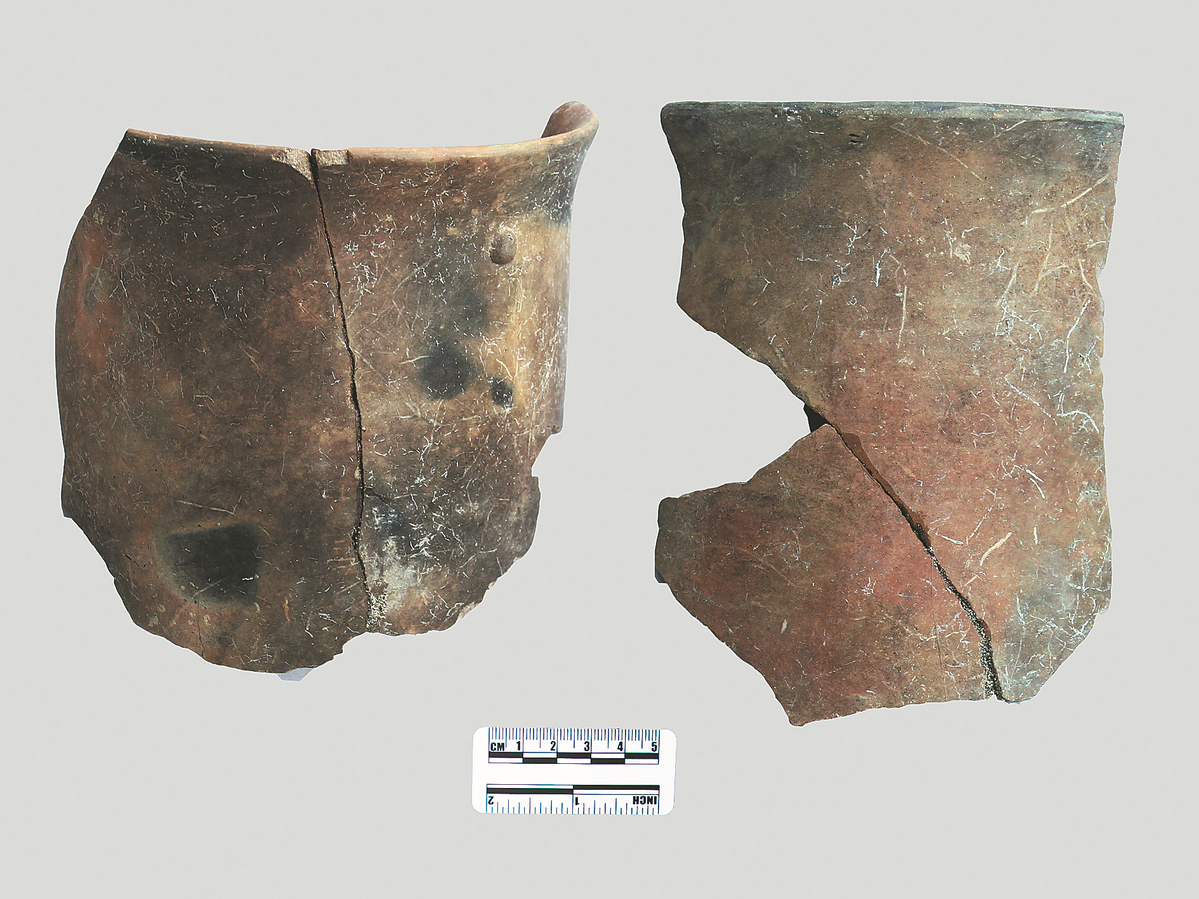
The Neolithic period in China is marked by the production of significant artifacts, including pottery, jade, and stone tools. Pottery from this era often features distinctive decorative patterns and forms, reflecting the aesthetic values and technological capabilities of these cultures. Jade artifacts, particularly from the Liangzhu culture, demonstrate advanced craftsmanship and suggest religious or ritualistic significance. Stone tools, such as axes and hoes, highlight the agricultural focus of these societies and their adaptation to local environments.
Cultural Practices
Neolithic cultures in China were characterized by a variety of cultural practices, many of which laid the groundwork for later Chinese traditions. These practices included agricultural techniques, religious rituals, and social organization. The development of agriculture allowed for permanent settlements and the accumulation of surplus resources, which in turn supported increasingly complex social structures. Religious practices during this time often involved ancestor worship and the use of jade artifacts in rituals, reflecting beliefs that persisted into later periods. Additionally, burial practices varied across regions, indicating diverse cultural beliefs and social hierarchies.
Influence on Later Chinese Culture
The Neolithic cultures of China have had a profound influence on the trajectory of Chinese civilization. Many elements of Neolithic society, including agricultural practices, religious beliefs, and social structures, persisted into later dynastic periods. The emphasis on ancestor worship, for instance, can be traced back to Neolithic times and remains a significant aspect of Chinese cultural identity. Furthermore, the technological and artistic achievements of Neolithic societies, such as pottery and jade carving, set the stage for subsequent developments in Chinese art and craftsmanship.








